Multiyear tropical warm pool warming temporarily slows Antarctic mass loss, study finds
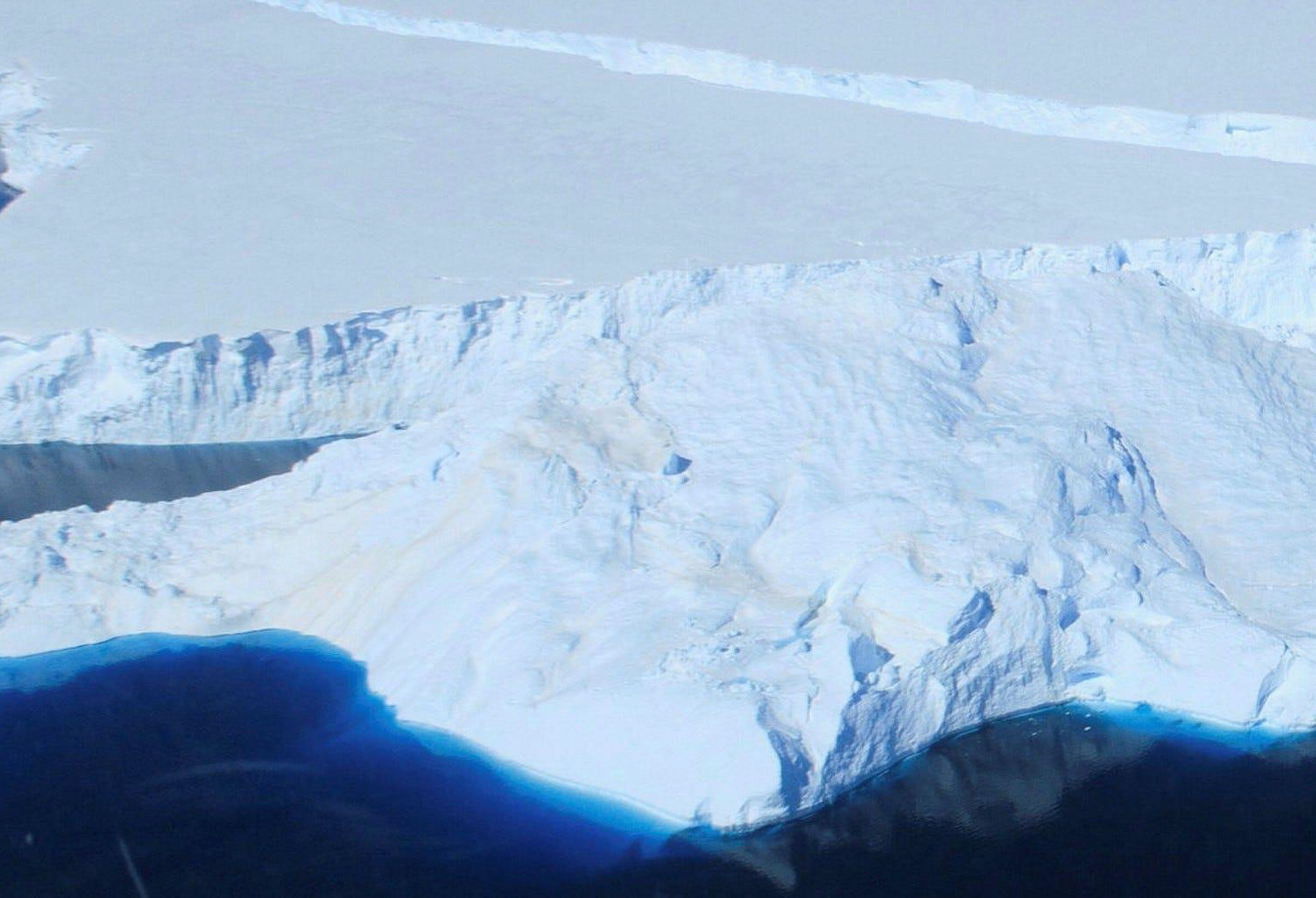
Baku, August 20, AZERTAC
A temporary reversal in Antarctic ice-sheet mass loss from July 2021 to April 2023 has been traced to multiyear warming in the tropical warm pool spanning the western Pacific and eastern Indian oceans, according to a study by researchers from China, the United States, Japan, Belgium and Hungary.
According to Xinhua, data from satellites that track changes in Earth's gravity showed that the Antarctic Ice Sheet gained about 695 billion tones of mass during the period. It was the largest mass-gain event since the satellite record began in 2003. The episode temporarily interrupted a long-term loss trend that averaged about 140.5 billion tones per year from 2003 to 2024, according to the study.
"Antarctic ice-sheet mass loss has been a major contributor to global sea-level rise in recent decades, increasing the risk of coastal flooding and worsening storm-surge damage for coastal communities worldwide. But scientists didn't know why the ice sheet had gained so much mass over those two to three years," said Wang Yunhe, lead author of the study and a researcher at the Institute of Oceanology, Chinese Academy of Sciences.
The study found that about 68 percent of the mass increase was concentrated in East Antarctica's Queen Mary Land-Wilkes Land region. The immediate cause was heavy and persistent snowfall there. But the underlying climate trigger originated thousands of kilometers away.
The researchers traced the unusual snowfall back to persistent warming in the tropical warm pool, a vast warm region spanning the western Pacific and eastern Indian oceans that contains some of the warmest seawater on Earth.
From 2021 to 2023, the warming set off large-scale waves in the atmosphere that traveled thousands of kilometers toward Antarctica. There, the waves changed wind patterns and steered moist air from the mid-latitude Indian Ocean toward Queen Mary Land-Wilkes Land. The result was sustained heavy snowfall that added substantial mass to the ice sheet.
"However, this temporary slowdown has not reversed the long-term trend of Antarctic ice-sheet mass loss, and West Antarctica remains the main region of sustained mass loss," Wang said.
"Understanding how Antarctic ice mass changes helps scientists better project sea-level rise. More reliable projections can help coastal communities prepare for more frequent flooding and greater storm-surge damage to homes, roads and other infrastructure," he said.
"That planning needs to account for both the long-term rise in sea level and shorter-term natural climate swings," he added.
The study was published online in Nature on Wednesday.
Multiyear tropical warm pool warming temporarily slows Antarctic mass loss, study finds
Unitree unveils 'Superman' humanoid robot with vertical jump of 2 meters
China sentences former Evergrande boss to life in prison
Germany heat-related deaths top 14,000 in record year
With climate change, areas of Europe hit by wildfire could nearly triple: Study