Pakistan serves as a facilitator that lowers the temperature enough for principals to talk - COMMENTARY
Baku, July 9, AZERTAC
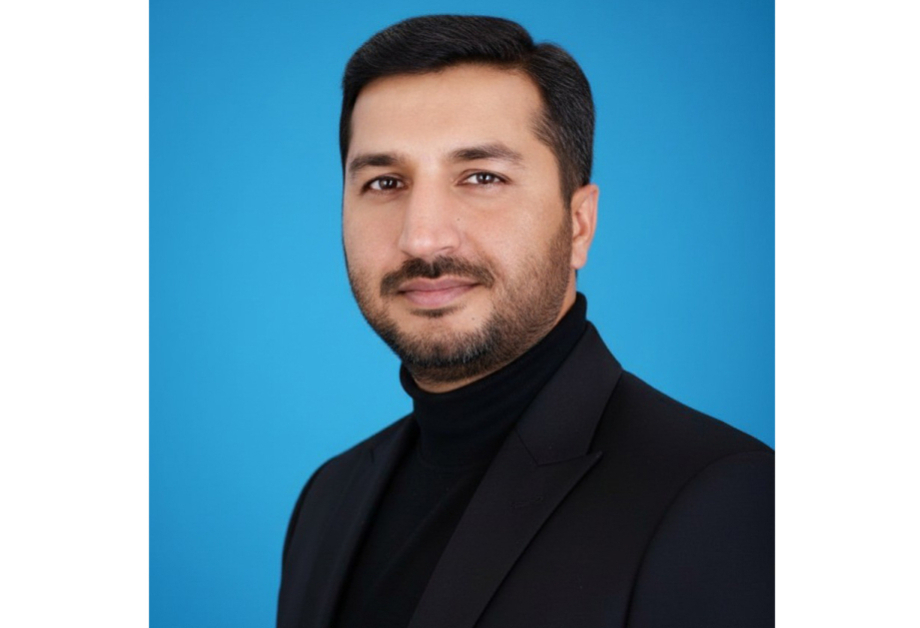
“Pakistan's position in this conflict (US-Iran war) has never been accidental. We share a nearly 900-kilometre border with Iran, deep religious and cultural ties, and a functioning — if occasionally strained — security relationship with Tehran. Simultaneously, Islamabad retains a long-standing strategic partnership with Washington and close defense and economic linkages across the Gulf Arab states. Few capitals in the world can pick up the phone to Tehran, Washington, and Riyadh in the same afternoon and be heard courteously in each. This is precisely the diplomatic capital that Pakistan drew upon when it helped keep backchannels open during earlier phases of the US–Iran tension,” Imran Bhatti, Pakistani cybersecurity and governance expert, focusing on strategic affairs, regional stability, and Pakistan’s foreign policy, told AZERTAC.
According to him, Pakistan’s credibility is earned, not borrowed.
“Pakistan's experience mediating in Afghanistan, and our historic role in facilitating dialogue between Saudi Arabia and Iran, demonstrate a pattern: we do not arrive as a power broker seeking to impose outcomes, but as a facilitator that lowers the temperature enough for principals to talk,” the expert said.
“The current escalation did not emerge from nowhere. The memorandum of understanding reached in June was always a fragile interim arrangement — a 60-day window for technical talks, not a settled peace. Both sides have accused the other of violations: Washington points to attacks on commercial shipping in the Strait of Hormuz as a breach of Tehran's commitment to freedom of navigation; Iran points to the re-imposition of oil sanctions and continued military pressure as evidence that Washington never intended to honor the spirit of the agreement. I would caution against assigning exclusive blame to either party. What we are witnessing is a familiar pattern in unresolved conflicts — a security dilemma in which each side's defensive or retaliatory measure is read by the other as offensive intent, and the cycle feeds itself,” Bhatti emphasized.
The analyst concluded that sustained, patient, and quiet diplomacy — backed by multilateral engagement and a stable domestic economy — remains Pakistan's most credible and constructive contribution to peace.
Author – Leyla Muradzada