Saudi nuclear push to diversify energy mix, free up more oil for exports
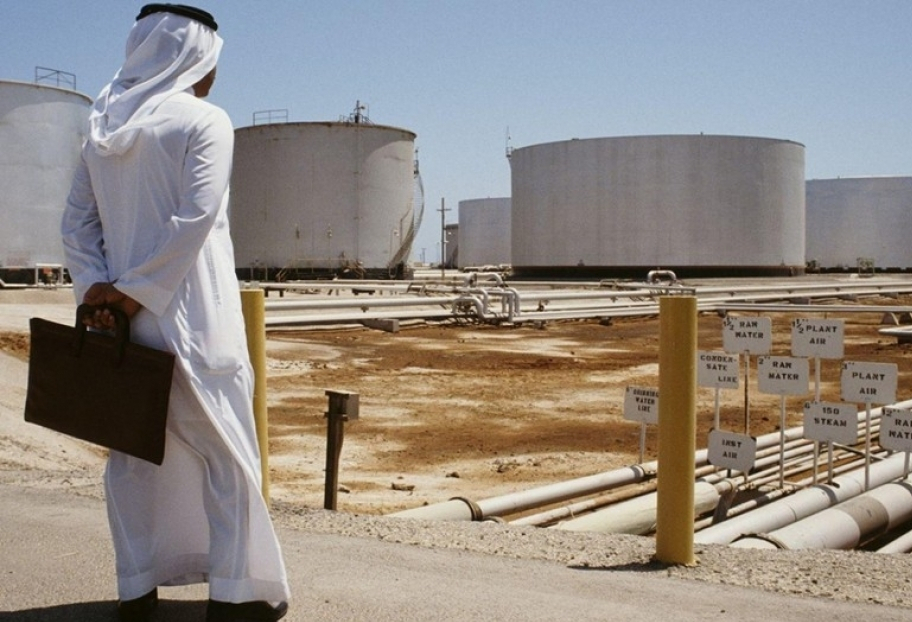
Baku, August 27, AZERTAC
Saudi Arabia's plans to add nuclear power to its energy mix could reduce the amount of oil used for electricity generation, freeing up more crude for export as the kingdom works to meet rising domestic energy demand, according to Anadolu Agency.
One of the world's largest oil exporters took a significant step toward developing its nuclear energy program last month by signing a civil nuclear cooperation agreement with the US.
US Energy Secretary Chris Wright and Saudi Energy Minister Prince Abdulaziz bin Salman signed the "123 Agreement," laying the legal groundwork for civilian nuclear cooperation between the two countries.
The agreement is also a key requirement for US companies seeking to export nuclear technology and materials to Saudi Arabia and compete for projects in the kingdom, according to the US Department of Energy.
- Saudi Arabia diversifies power generation
Lat year, Saudi Arabia's electricity demand rose an estimated 3.8%, while fossil fuels accounted for nearly all of its power generation, according to the International Energy Agency (IEA).
Demand is expected to grow by an average of 3.1% a year between 2026 and 2030, with natural gas expected to play a larger role in meeting the increase, according to IEA.
Natural gas is projected to account for about 80% of the kingdom's electricity generation by 2030, while oil's share is expected to fall to 6% from 37% in 2025.
Alongside its investments in renewable energy, Saudi Arabia is looking to develop nuclear power as part of efforts to diversify its electricity mix.
A greater role for non-oil sources in power generation could reduce the amount of crude used domestically and leave more available for export.
- Nuclear to complement growing renewables investments
Justin Friedman, a nuclear energy business consultant and former senior US diplomat, said Saudi Arabia has long sought to maintain its position as a leading global energy supplier.
"Adding peaceful nuclear energy would diversify its energy mix and potentially free up more hydrocarbons for export over the medium term while powering domestic growth," Friedman told Anadolu.
He said nuclear power could also work alongside Saudi Arabia's growing investments in renewable energy.
"Nuclear power can provide secure, carbon-free, baseload power to secure Saudi Arabia's energy supplies while allowing more variable sources like wind and solar to be added to the grid," Friedman said.
Friedman also highlighted nuclear power's potential role in supporting the development of clean hydrogen.
- Nuclear fuel could come from multiple suppliers
US President Donald Trump has said Saudi Arabia would not be allowed to enrich uranium, raising questions over how the kingdom would secure fuel for its planned reactors.
Friedman said nuclear projects typically include at least an initial fuel load as part of the commissioning process and the start of commercial power generation.
Future fuel deliveries are often negotiated separately with uranium producers, enrichment service providers and fuel fabricators, he said.
"By choosing US technology, Saudi Arabia could contract for these services from several different companies - US and other - to assure a diversified network of suppliers," Friedman said.
- Agreement opens door for US companies
Saudi Arabia has repeatedly suspended its decision on selecting a nuclear power plant supplier, Friedman said.
"One interpretation is that they preferred to work with US companies over offers by competitors," he said.
Friedman said the agreement removes a key legal obstacle for American companies seeking to enter the Saudi market.
"The 123 Agreement is necessary to allow export of US nuclear technologies and materials to partner countries, so this agreement formally opens the door for US companies to compete for this business," he said.
Completing a 123 Agreement also provides assurances required under US law that nuclear cooperation will remain peaceful and that the partner country will comply with nonproliferation and no-re-export requirements, Friedman said.
"The important question the US Congress will want to review once the text is formally transmitted by the administration is how these nonproliferation commitments will be assured," he added.
Hackers steal data from millions of airport customers in UK
Saudi nuclear push to diversify energy mix, free up more oil for exports
Turkish President Erdogan, Kazakh counterpart discuss ties, regional issues in phone call