Bad news for rice lovers: Climate change is cutting rice harvests
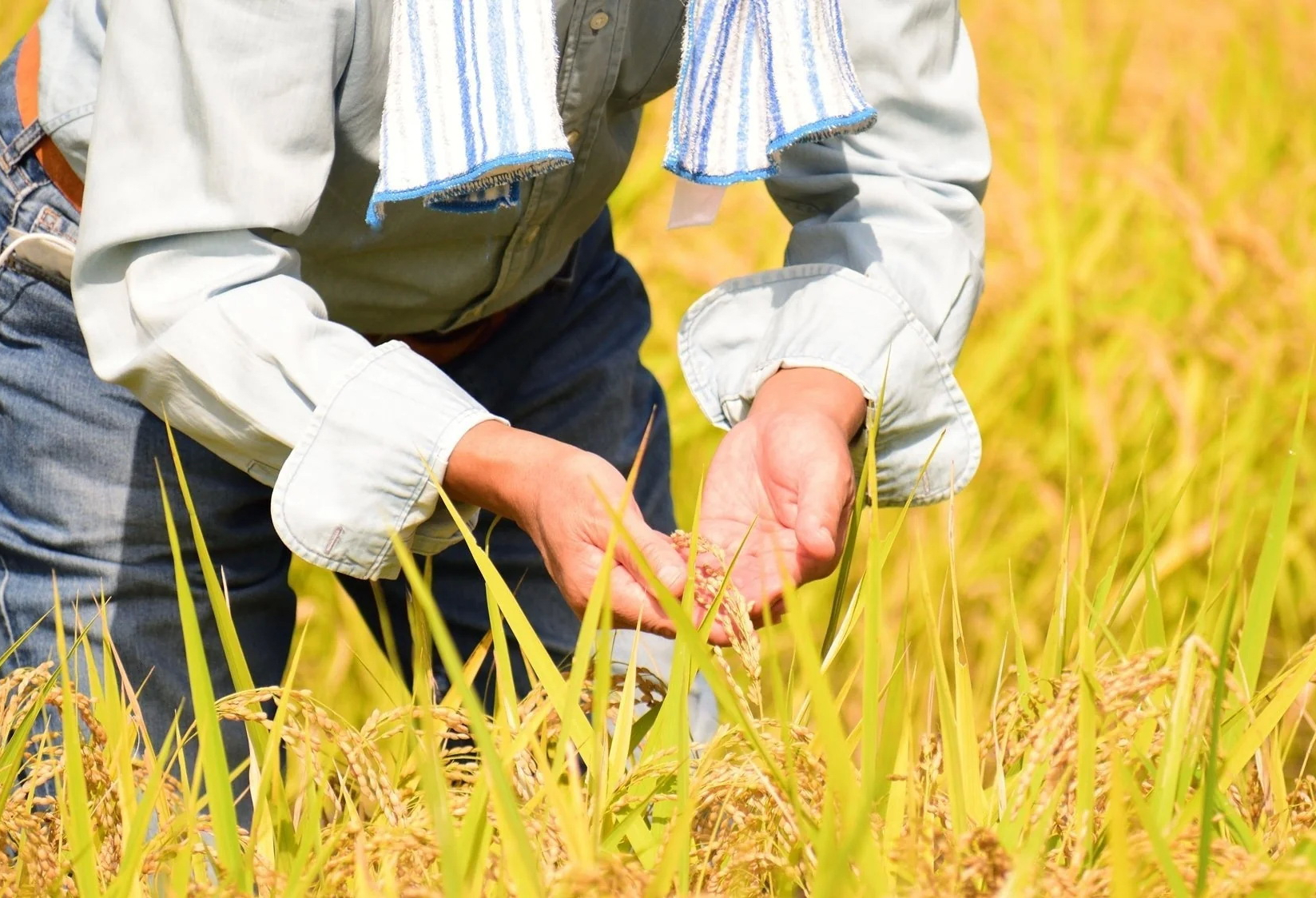
Baku, August 7, AZERTAC
Rising temperatures could reduce global rice production far more than previously estimated, with extreme heat during key stages of crop development posing the greatest threat, according to a new study published in Science Advances, Qazinform News Agency correspondent reports.
Researchers analyzed data from 214 field warming experiments worldwide, including new experiments conducted across 12 rice-growing sites in China. They found that exposure to temperatures above 30°C, particularly during the reproductive stage when grains develop, is the main cause of warming-related yield losses.
The study found that each additional day with temperatures above 30°C during the reproductive stage reduces rice yields by 1.1% to 1.8%. By comparison, widely used global crop models estimate losses of only 0.1% to 1.3% per additional day, suggesting they significantly underestimate the effects of heat.
The researchers also found that more than 70% of the observed yield losses in field experiments were driven by exposure to high temperatures rather than by increases in average seasonal temperatures. The damage was mainly linked to poorer grain development, while heat during earlier growth stages had a smaller effect by limiting plant growth.
After adjusting global crop models using evidence from field experiments, the team estimated that a 1°C rise in global average temperature would reduce global rice yields by about 8.1%. That is more than double the 3.8% decline projected by the original models.
The largest revisions were found in South and Southeast Asia, where rice is a staple food and where crops are expected to experience the greatest increase in high-temperature exposure. In countries including Pakistan, India, Bangladesh, Thailand, the Philippines, and Myanmar, projected yield losses increased substantially after the models were corrected. China and Japan showed smaller changes.
The researchers said current crop models often fail to capture the full impact of extreme heat on grain formation, leading to overly optimistic projections of future harvests. They argue that improving the way models account for high-temperature stress is essential for more accurate assessments of climate change's impact on food security.
The study also notes that its estimates focus on the direct effects of heat under irrigated field conditions and do not fully account for factors such as cooling from irrigation or the combined effects of heat and drought, which could further influence crop yields in some regions.
Earlier, it has been reported that Japan enacted a bill to stabilize rice supply after 2024 shortages.
Türkiye, Saudi Arabia, Pakistan to sign trilateral defense agreement
Bad news for rice lovers: Climate change is cutting rice harvests
At least 7 dead in Thai school shooting
Protesters march in Buenos Aires against Argentina's private property bill