US targets 60 countries with tariffs over ‘failure’ to curb imports of goods produced with forced labor
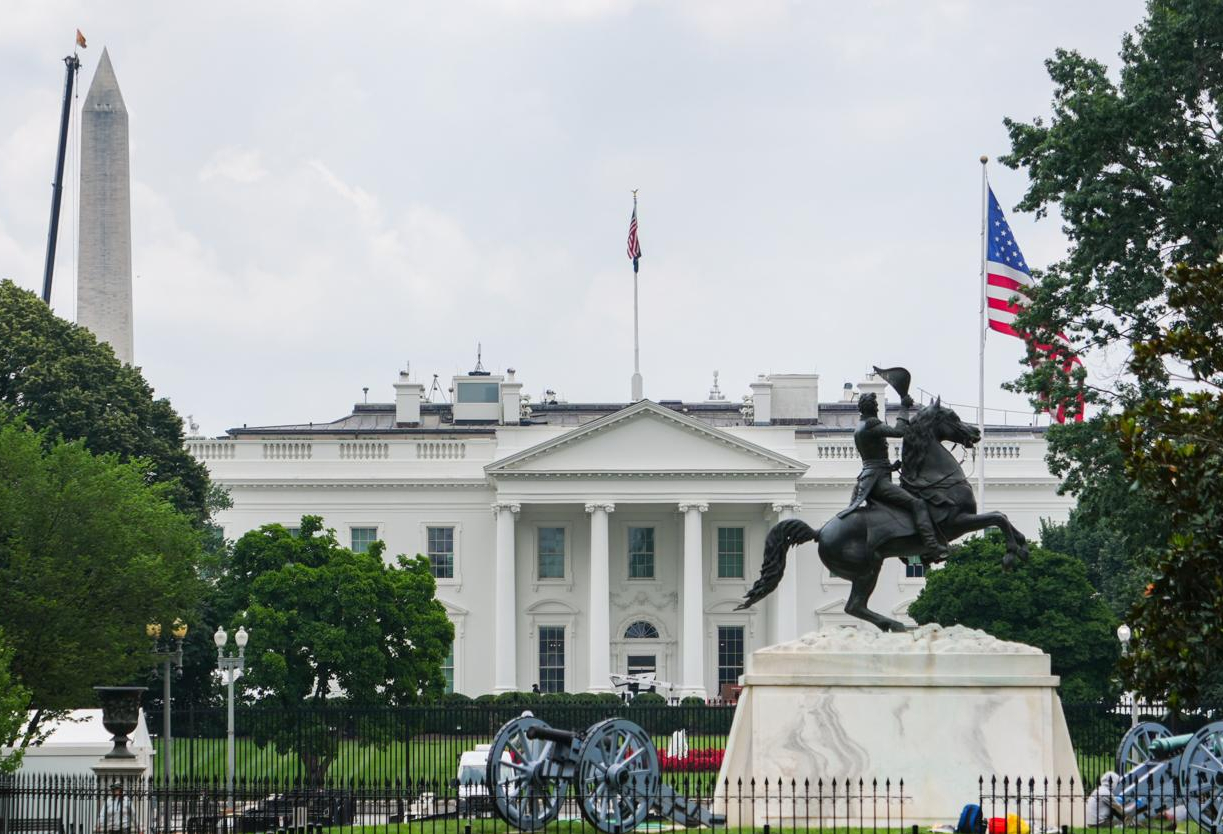
Baku, July 24, AZERTAC
The US announced Thursday that it would impose additional tariffs of 10% or 12.5% on 60 trade partners over their “failure to impose and effectively enforce a prohibition on the importation of goods produced with forced labor,” Anadolu Agency reported.
The action was taken under Section 301 of the Trade Act of 1974 following investigations into the acts, policies and practices of various economies related to forced labor imports, the Office of the US Trade Representative (USTR) said in a statement.
The tariffs, which cover 99.4% of US imports from the investigated economies, will be set at either 10% or 12.5%, subject to certain product exemptions.
“President (Donald) Trump recognizes that decades of moral suasion have not eradicated forced labor from global supply chains,” US Trade Representative Jamieson Greer said in a statement.
“The United States has had a forced labor import ban for nearly a century and rigorously enforces it. It’s well past time for our trading partners to do the same,” Greer added.
The US administration launched the Section 301 investigations into 60 trading partners in March, citing their failure to ban and effectively enforce prohibitions on imports of goods produced with forced labor.
The USTR said at the time that the investigations covered 60 trading partners, including China, the European Union, Canada, Mexico, Brazil, India, Japan, Russia, Saudi Arabia, South Korea, Switzerland, Norway, Taiwan, the UK and Türkiye.
On June 2, the USTR determined that the practices of the investigated economies were “unreasonable” and burdened or restricted US commerce, making them actionable under Section 301.
Meta fined $567m in largest child safety ruling against social media giant
Türkiye, Saudi Arabia, Pakistan to sign trilateral defense agreement
Bad news for rice lovers: Climate change is cutting rice harvests
At least 7 dead in Thai school shooting
Protesters march in Buenos Aires against Argentina's private property bill