Mukhtar Babayev: Conditions for climate cooperation are more difficult than 10 years ago
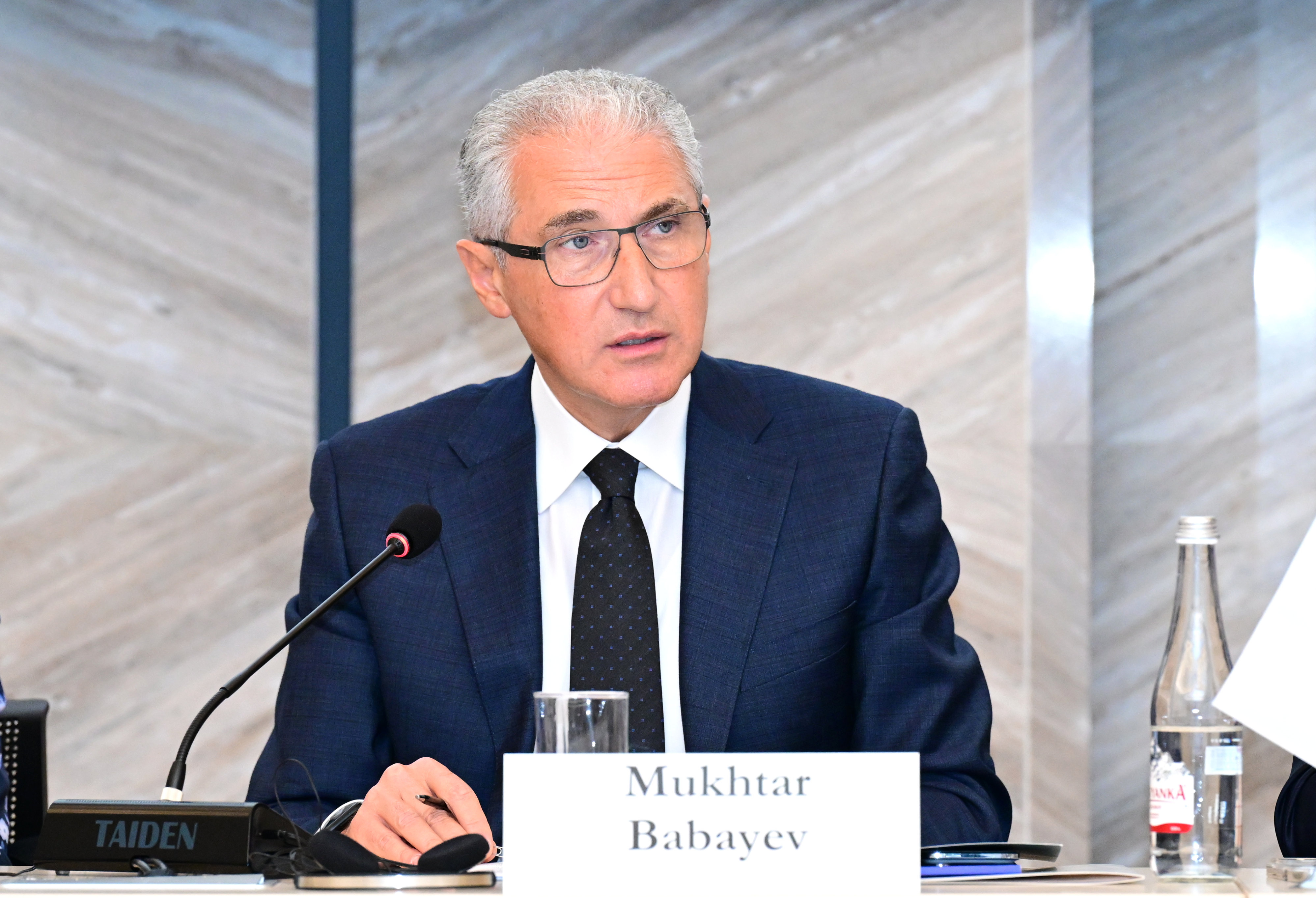
Baku, September 9, AZERTAC
“When the Paris Agreement was adopted nearly ten years ago, the primary task ahead was clear: build consensus around a unified global direction. Since then, significant progress has been made. However, the world in which we are trying to implement that agreement has changed fundamentally. We lived through a pandemic, witnessed conflicts, energy crises, inflation, and growing geopolitical competition,” Mukhtar Babayev, Representative of the President of Azerbaijan on Climate Issues and COP29 President, said during a roundtable organized by the Nizami Ganjavi International Center during the Baku Climate Action Week 2026 (BCAW2026).
Babayev noted that global military spending is approaching $3 trillion annually. At the same time, climate impacts are growing more severe and causing greater economic damage. Extreme heat poses severe trials for our cities, droughts strain water and food systems, and floods and wildfires can erase years of progress in just a few hours or days.
“Thus, my first observation is that conditions for climate cooperation have become even more difficult compared to 10 years ago. The second point is that climate action cannot succeed by competing with national priorities – it must become part of how countries achieve those priorities. The energy transition must simultaneously strengthen energy security and affordability. Adaptation measures must protect economies, infrastructure, and communities. Climate-resilient agriculture must serve food and water security. In other words, we must demonstrate that climate action supports development, competitiveness, and resilience. Proving this link is essential to maintaining sustained political support.
The third point relates to implementation. Through consecutive COPs, we have built a broad global climate architecture. We have goals, plans, institutions, and financial mechanisms. However, the gap between reaching an agreement and delivering real results remains far too wide. Perhaps it is precisely here that we need to look beyond the COP process itself,” Babayev added.