Hormuz disruption pushes LNG shipping costs to highest levels since 2022: Report
Baku, August 6, AZERTAC
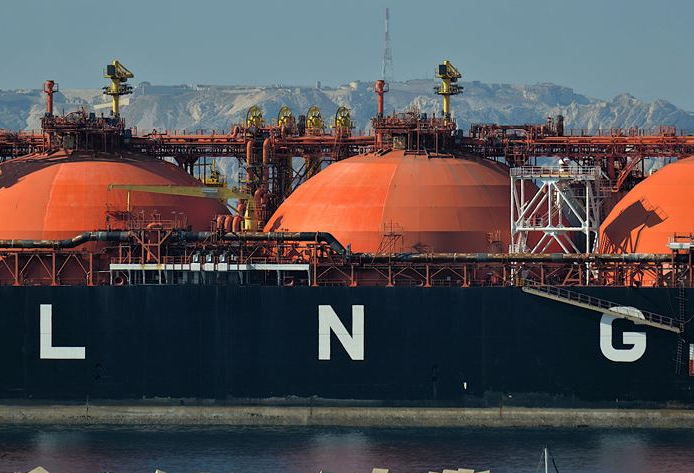
Disruptions to vessel traffic through the Strait of Hormuz reduced available liquefied natural gas (LNG) carrier capacity, extended voyage times, and pushed charter and marine fuel costs to their highest levels since the peak of the 2022 energy crisis, according to Anadolu Agency.
According to data compiled by Anadolu from the Gas Exporting Countries Forum's (GECF) latest Gas Market Report, the disruption triggered sharp increases in LNG chartering, bunker fuel, and war-risk insurance costs.
The average bunker fuel price for the LNG carrier fleet rose 73% month-on-month in March to more than $800 per tonne, its highest level since the peak of the 2022 energy crisis.
The Strait of Hormuz serves as the only maritime export route for LNG shipments from Qatar and the United Arab Emirates, which together account for around one-fifth of global LNG supply.
Following the escalation of the conflict in the Middle East on Feb. 28, LNG exports from Qatar and the UAE came close to a standstill.
The GECF report revealed that, between March and June, more than 300 Qatari LNG cargoes and around 20 UAE cargoes failed to reach international markets.
An estimated 160 LNG carriers were also stranded inside the Gulf or forced to remain at anchor in the Gulf of Oman, limiting the number of vessels available in the spot market.
Security risks along the Red Sea and Suez Canal route also prompted LNG carriers to divert around the Cape of Good Hope, a major alternative maritime route between the Atlantic and Indian oceans, adding thousands of nautical miles to voyages between the Middle East and global markets.
The longer route added between 15 and 20 days to typical voyages between the Atlantic Basin and Asia-Pacific markets, increasing the number of vessels needed to transport the same volume of LNG.
- Charter rates and fuel costs surge
Daily spot charter rates for tri-fuel diesel-electric, or TFDE, LNG carriers surged from $5,000 in early February to $235,000 in early March.
Average TFDE charter rates rose from $18,000 per day in February to $108,000 in March, while average rates for older steam turbine carriers increased from $3,000 to $50,000 per day.
War-risk insurance costs increased from around 0.25% of a vessel's hull and machinery value before the conflict to between 5% and 10% for voyages through Hormuz.
For an LNG carrier valued at $250 million, the insurance cost for a single transit reached as much as $25 million.
- Delivered LNG costs remain elevated
Higher charter, fuel and insurance expenses also raised the cost of delivering LNG to consumer markets.
The cost of transporting LNG from the US Gulf Coast to Southwest Europe increased from $0.6 per million British thermal units in the second quarter of 2025 to $1.1 in the same period of 2026.
Shipping US LNG to Northeast Asia via the Cape of Good Hope rose from $1.8 to $3.6 per million British thermal units.
On the US Gulf Coast-Northeast Asia route via the Panama Canal, shipping costs climbed from $1.6 per million British thermal units in July 2025 to nearly $5 in March 2026, raising freight's share of the total delivered LNG price from 13% to around 25%.
Although charter and fuel costs eased from their March peaks, they remained well above year-earlier levels in June.
GECF expects around 250 million tonnes per annum of new global LNG liquefaction capacity to come online by 2030, with nearly half concentrated along the US Gulf Coast, potentially increasing pressure on the Panama Canal and the use of longer alternative routes.
Munich car-ramming attacker sentenced to life in prison
UK clears Paramount’s stalled $110B Warner Bros. Discovery takeover
Lebanon, Israel begin final day of 7th round of negotiations in Rome
Butterflies are rapidly changing where they live as climate changes
Trump tells donors, ‘We need to elect JD,’ in 2028 presidential election: Report