US intervenes in Japan's currency market for 1st time in over decade
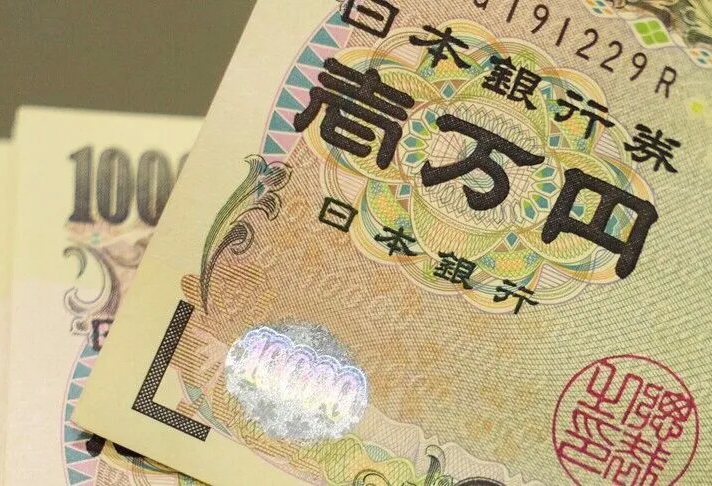
Baku, August 3, AZERTAC
The US made a rare return to Japan's currency market Sunday, buying yen for the first time in more than a decade in what President Donald Trump described as “a signal of friendship,” according to Anadolu Agency.
The rare move aimed to support the yen after it fell to a 40-year low against the US dollar.
“They have a weakening yen, and they wanted a little bit of help. And we’re always there for Japan,” Trump told reporters aboard Air Force One.
His remarks followed a report by the Financial Times on Friday that the Federal Reserve Bank of New York sold euros to buy yen on behalf of the Treasury Department, citing sources familiar with the matter.
Trump said backing the yen would be “good for the world economy,” pointing to last year’s $20 billion bailout for Argentina and the capture of Venezuelan President Nicolas Maduro in January as examples of US intervention helping to strengthen other countries’ economies.
Treasury Secretary Scott Bessent said the US and Japan jointly intervened in foreign exchange markets Friday to curb disorderly swings in the yen, adding the Treasury Department "will not hesitate to participate in further join intervention."
“We strongly support Japan’s decisive market and monetary steps to correct the substantial undervaluation of the yen,” he said Sunday on the US social media platform X.
Japan's Finance Ministry said the joint intervention was aimed at countering "excessive volatility and disorderly movements" in the yen, adding it remains in close contact with Washington and "will not hesitate to conduct further joint intervention."
Trump said the intervention would also bring financial gains to the US, without explaining how. The president has previously described Japanese Prime Minister Sanae Takaichi as “a delight.”
“Japan has always been very good to us, with the exception, of course, of Pearl Harbor,” he quipped.
The move marked the first joint currency intervention since 2011, when the yen surged to post-war record highs against the US dollar due to anticipated asset repatriation by domestic insurance firms following a devastating earthquake, prompting the Group of Seven (G7) nations and the Bank of Japan to jointly intervene in a coordinated market intervention to sell yen and curb its sharp rise.
Munich car-ramming attacker sentenced to life in prison
UK clears Paramount’s stalled $110B Warner Bros. Discovery takeover
Lebanon, Israel begin final day of 7th round of negotiations in Rome
Butterflies are rapidly changing where they live as climate changes
Trump tells donors, ‘We need to elect JD,’ in 2028 presidential election: Report