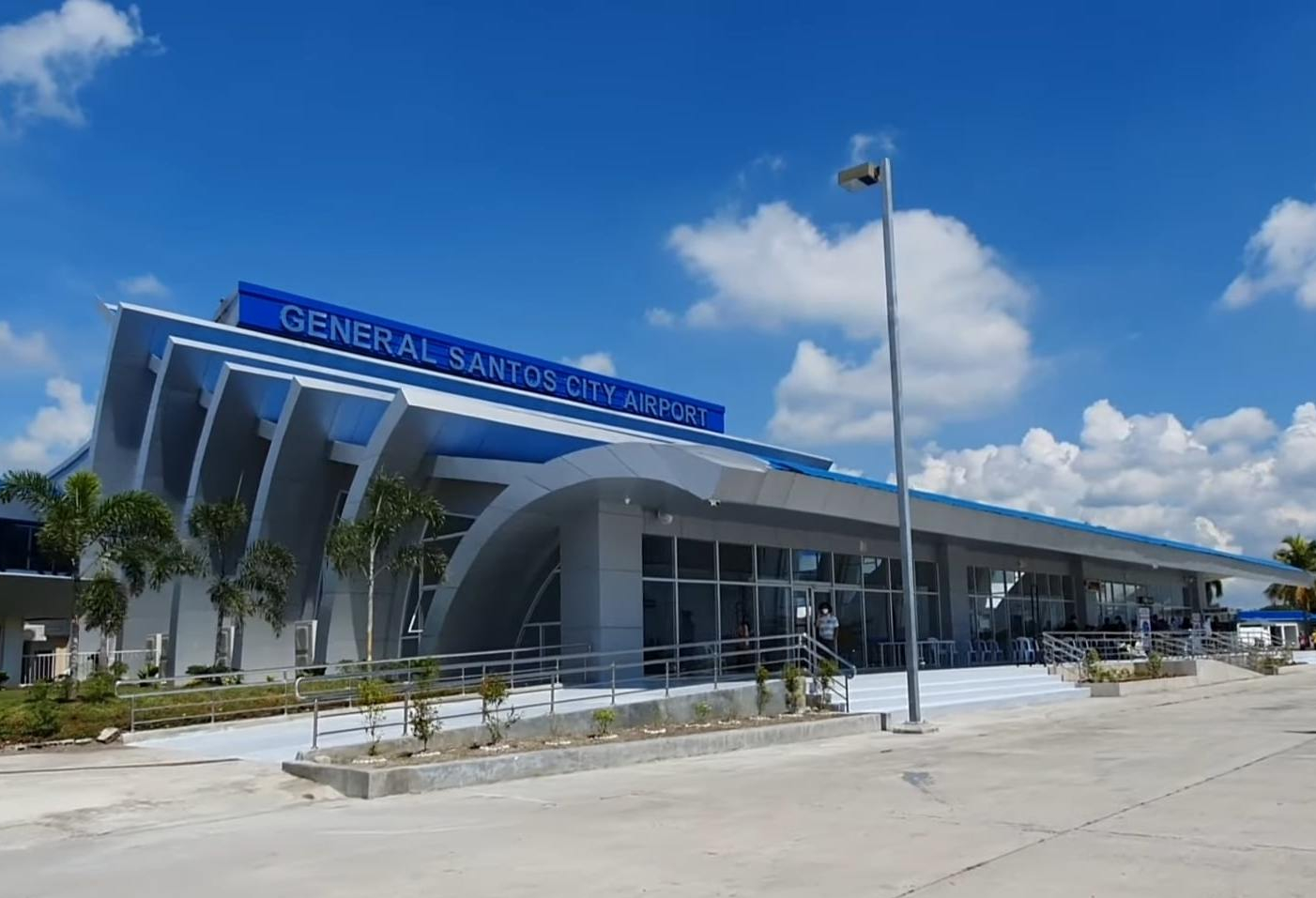
Airport closes after strong quake in Philippines: CAAP
Baku, June 8, AZERTAC
People in areas affected by the magnitude 7.8 Sarangani earthquake on Monday should expect aftershocks and stay evacuated until the tsunami warning is lifted, the Philippine News Agency (PNA) reported citing the head of the Philippine Institute of Volcanology and Seismology (Phivolcs).
"People should stay away from damaged buildings, and check for cracks," Phivolcs Director Teresito Bacolcol told the Philippine News Agency in an interview.
He also advised the public to follow the instructions of local disaster risk reduction and management offices.
The earthquake, which was generated by the Cotabato Trench, has affected many areas in Mindanao.
Phivolcs earlier issued a tsunami warning and advised residents of coastal areas in Sarangani, Davao Occidental, Tawi-Tawi, Sulu, Basilan, Zamboanga del Sur, Zamboanga Sibugay, Sultan Kudarat, and South Cotabato to evacuate immediately to higher ground or move farther inland.
"The first tsunami waves will arrive between 7:37 a.m and 9:37 a.m, and may continue for hours," according to the Phivolcs advisory.
"Remain evacuated unless we lift the tsunami warning," Bacolcol noted.
He added that based on Phivolcs' standard operating procedure, tsunami warnings are lifted two hours after the expected latest tsunami arrival time.
Meanwhile, the Civil Aviation Authority of the Philippines (CAAP) announced a temporary suspension of operations at General Santos Airport following the earthquake in Sarangani.
"Assessments of air navigation facilities, equipment, and operational capabilities are currently underway to ensure the continued safety and integrity of airport operations," it said in a statement.
Marina Dinevi retains Blue Flag status as Bulgaria's only award-winning Marina
Nikkei falls over 4% as selling of tech issues continues
Reuters: Central African Republic to accept third-country deportees from US
UK ministers to issue guidance on children's screen use
Middle East 'does not need an escalation,' EU foreign policy chief warns